The Petroleum Products Retail Outlets Owners Association of Nigeria has urged the Nigerian National Petroleum Company to urgently strengthen domestic refining capacity. This is to shield Nigeria from global petroleum market shocks.
Billy Gillis-Harry, PETROAN’s national president, on Monday called on the group CEO of NNPC, Bayo Ojulari, to facilitate the immediate commencement of production at Nigeria’s local refineries.
Mr Gillis-Harry said that production at the refineries was paramount, particularly at the Area five Plant of Port Harcourt Refinery and the Warri Refinery, which had previously operated briefly before a shutdown for profit index evaluation.
He said that this had become imperative due to the ongoing conflict involving Israel, the United States and Iran, which was pushing global petroleum prices to alarming levels.
Projecting future trends, Mr Gillis-Harry warned that petrol could rise to close to N2,000 per litre, while diesel could approach N3,000 per litre if the situation persists. He said that sustained drone and missile attacks now threaten critical oil routes and infrastructure, creating uncertainty in global supply chains.
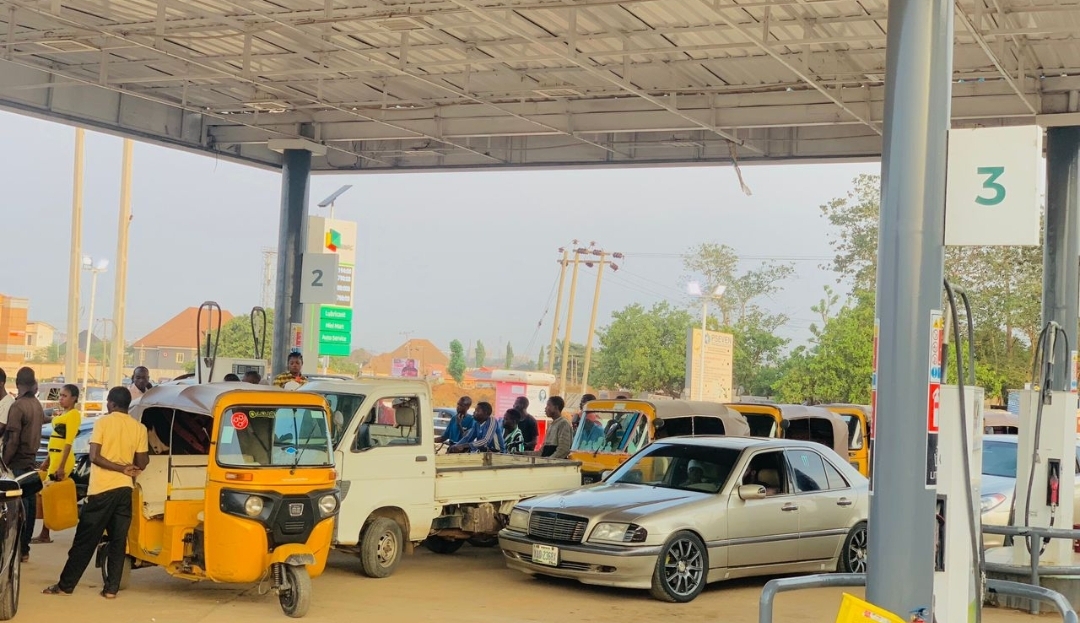
“With no clear end to the conflict, petroleum product prices in both international and domestic markets are expected to rise sharply in the coming days. Before the crisis, PMS known as fuel sold at N774 per litre, but now sells above N1,000 per litre, representing an increase of about 30 per cent. Diesel, previously sold at N950 per litre, has risen to N1,400 per litre and above, an increase of about 49 per cent,” the PETROAN boss said.
Mr Gillis-Harry said that rehabilitating Nigeria’s refineries for immediate domestic production was critical.
On local refining, he said it would reduce exposure to international market volatility, especially given Nigeria’s abundant crude oil resources under NNPC’s custody. He said that government-owned refineries were less vulnerable to global supply disruptions than privately owned refineries that depend on imported crude.
The PETROAN president said that continued fuel price increases would worsen inflation, cause job losses, deepen economic hardship, increase transportation costs, and raise prices of goods and services nationwide.
“Fuel remains essential for daily mobility, while diesel is vital for manufacturing and industrial operations,” he said.
He commended President Bola Tinubu for the ongoing bold policies to reform the oil and gas sector and called on him to direct the immediate rehabilitation and commencement of production at the government-owned refineries.
According to Mr Gillis-Harry, this will ultimately bring relief to citizens and stimulate economic growth.